Case Study: Intercultural Communication.
A Comparative Analysis of Mexico and Germany

Project Overview
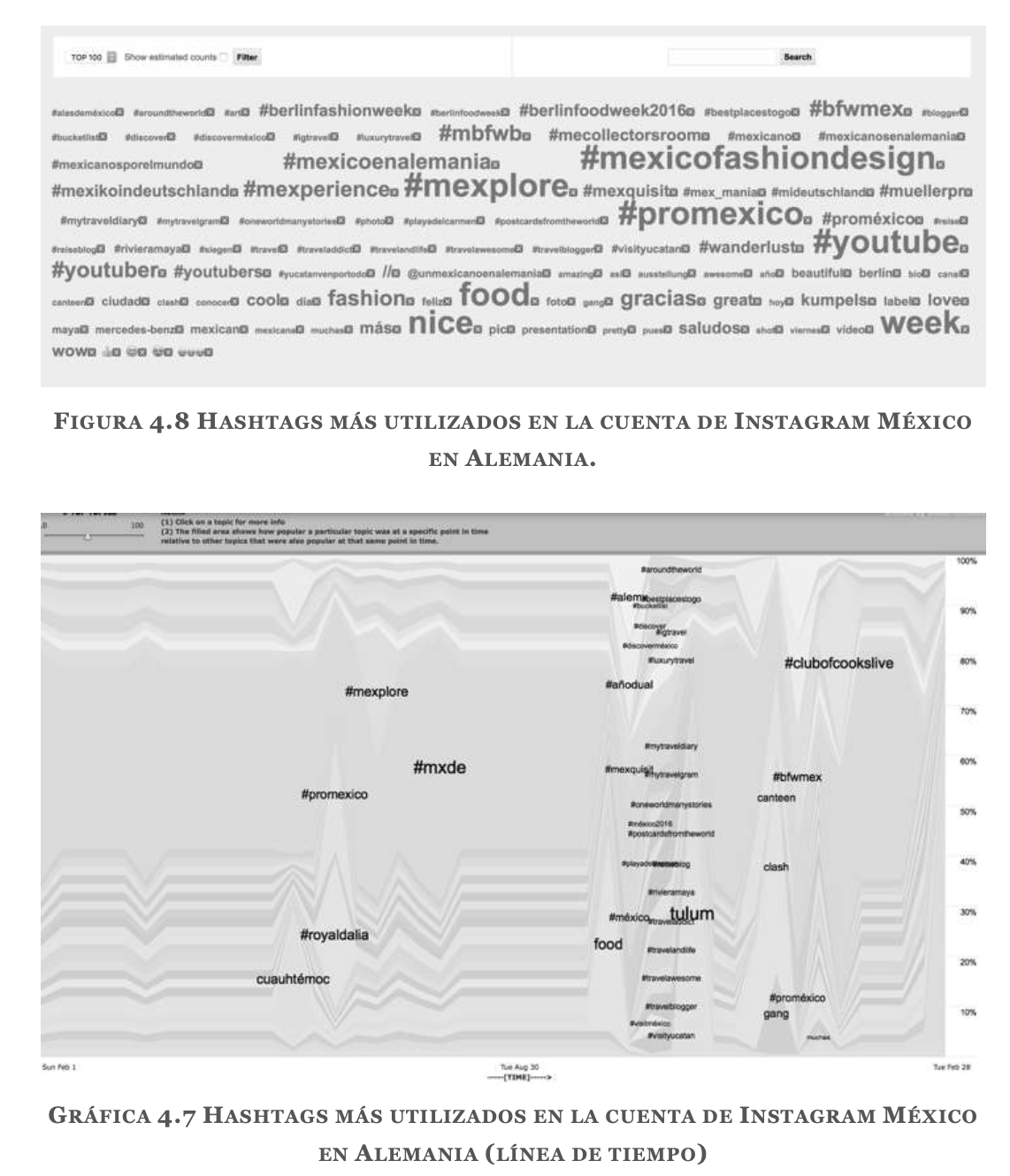
This study represents my first formal approach to digital data analysis, focusing on how social platforms facilitate interaction between diverse cultures. The research explored the social construction of a "third culture" in digital environments, using Mexico and Germany as contrasting cases due to their distinct technological penetration levels and cultural contexts.
The Challenge: Mediating Culture Online
The primary goal was to determine whether digital media truly function as spaces for intercultural encounters or if they merely replicate traditional communication structures.
Research Question: How does interculturality manifest through the interaction of communities on Twitter and Instagram?
Context: A comparative analysis of annual ICT growth indicators and usage frequency between both nations.
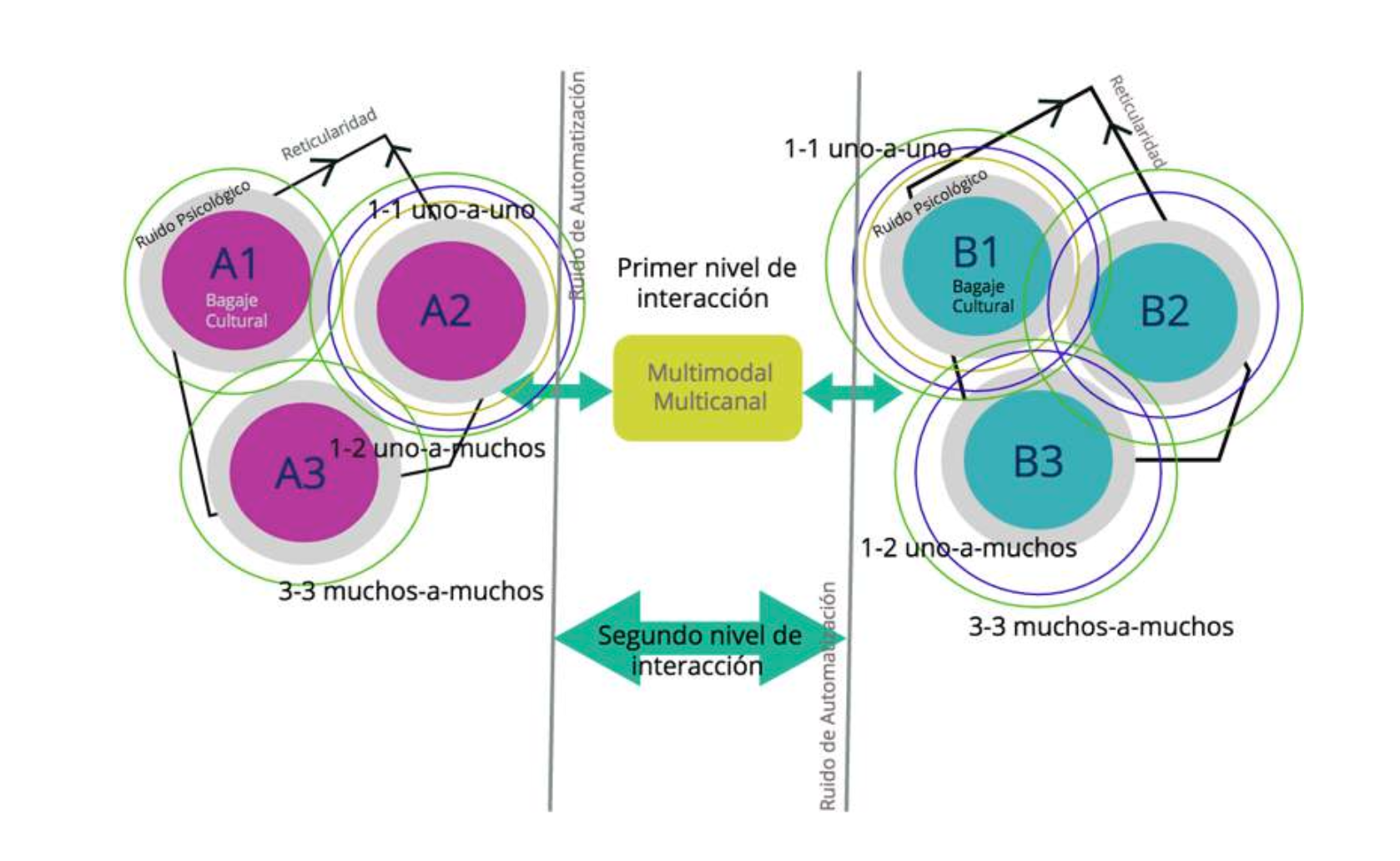
Key Findings
Differentiated Network Dynamics: The network generated by #alemx showed distinct interaction patterns compared to #mxde, reflecting variations in usage frequency and connection time between users from both countries.
Multimediality: The study identified how multimediality on the internet alters users' cognitive ecology, allowing for a more complex construction of cultural identity.
Digital Asymmetry: Despite global connectivity, significant gaps in internet penetration remain, which condition the depth of intercultural exchange.
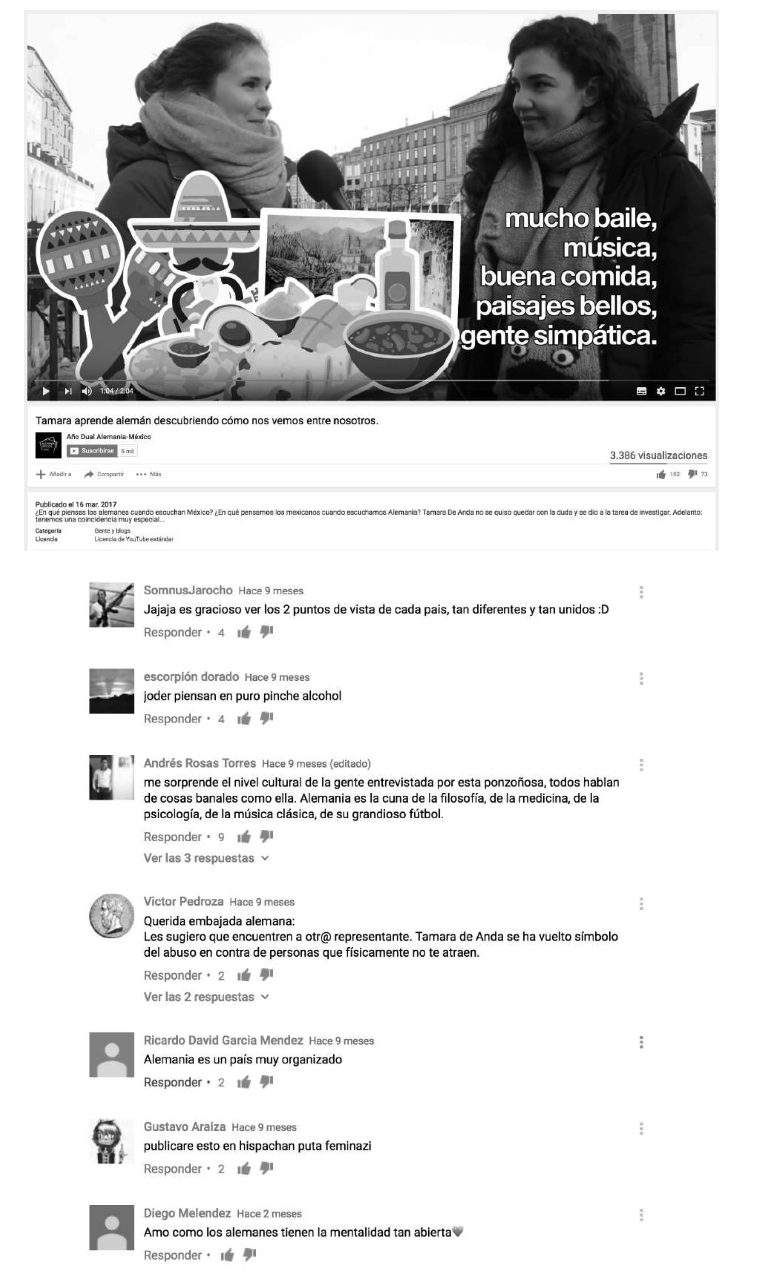
Methodology and Tools To address this complexity, I employed a mixed-methodological approach that included:
Hashtag Tracking: Monitoring and analyzing the hashtags #mxde and #alemx to identify transnational conversation flows.
Network Analysis: Visualizing the user networks generated by these hashtags on Twitter and Instagram to determine participation percentages and centrality.
Theoretical Modeling: Proposing the "Intercultural Communication Model in Digital Media," which integrates dimensions of perception, beliefs, and values into technology-mediated interaction.